How Long It Takes
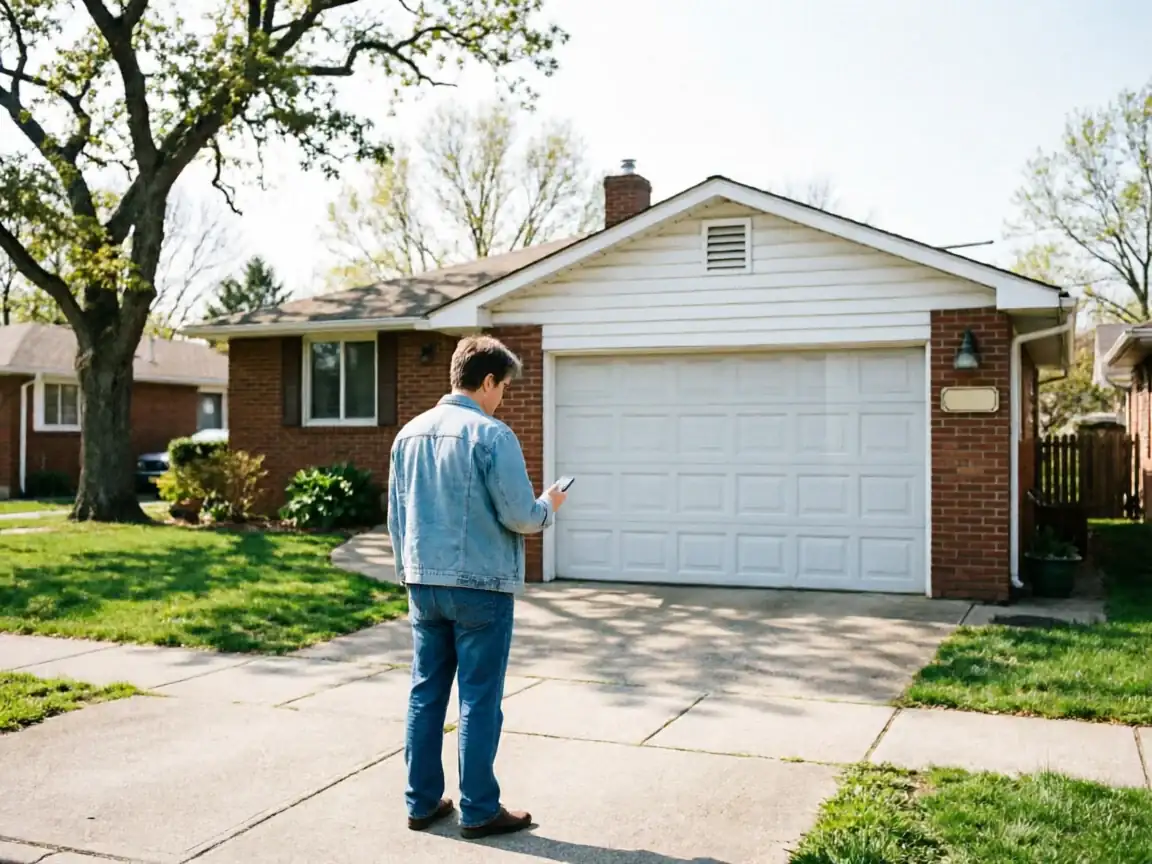
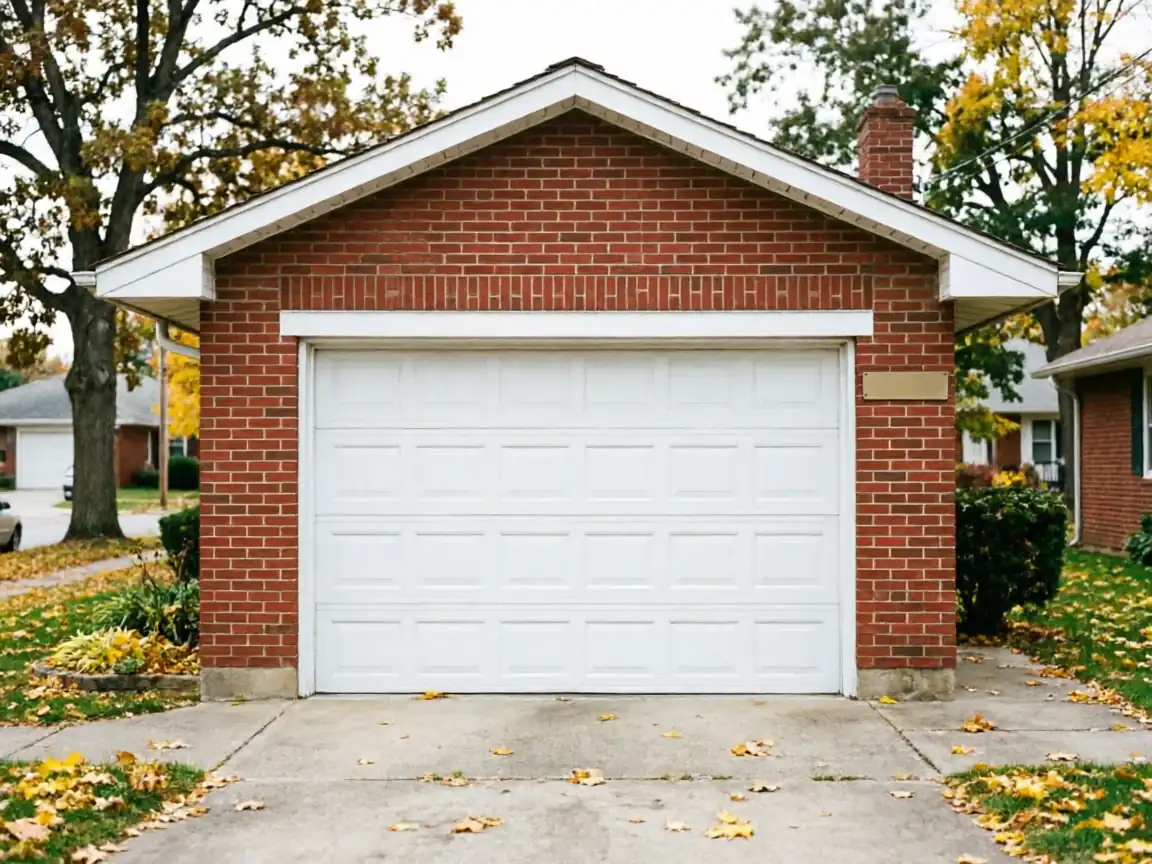
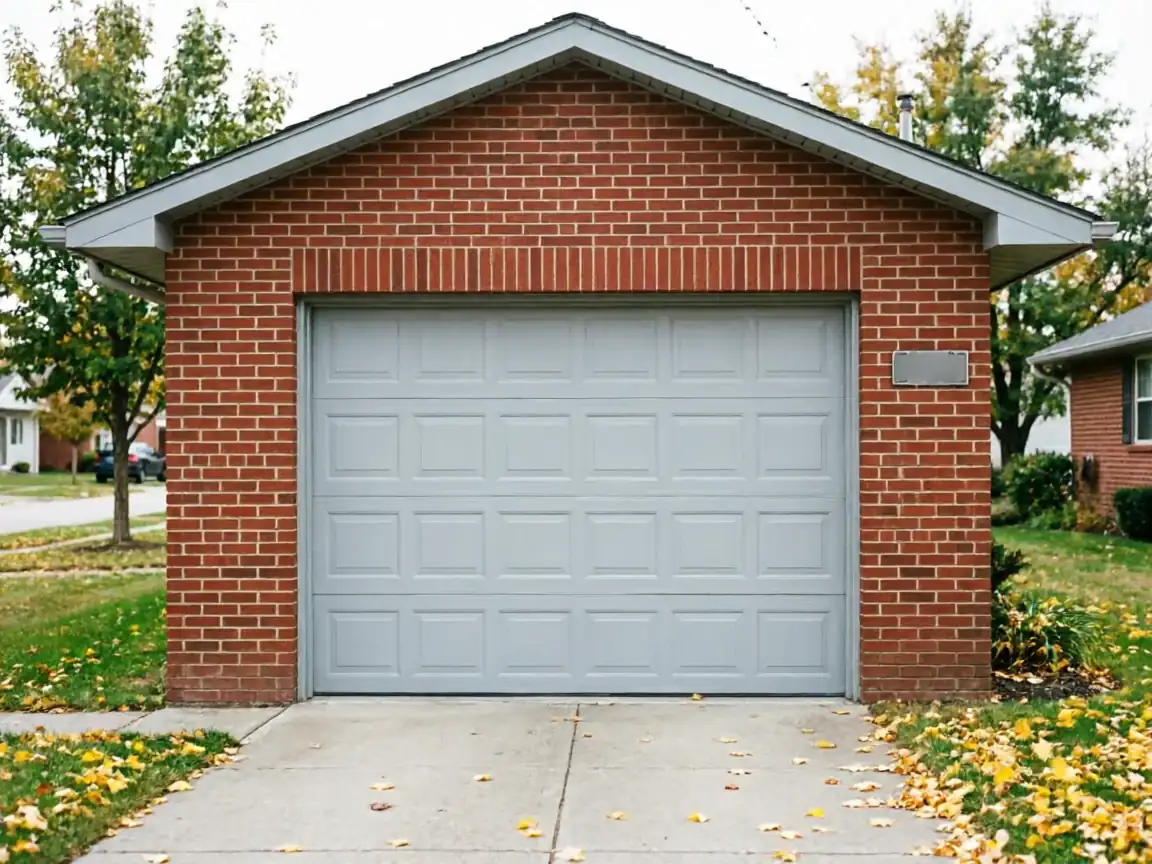
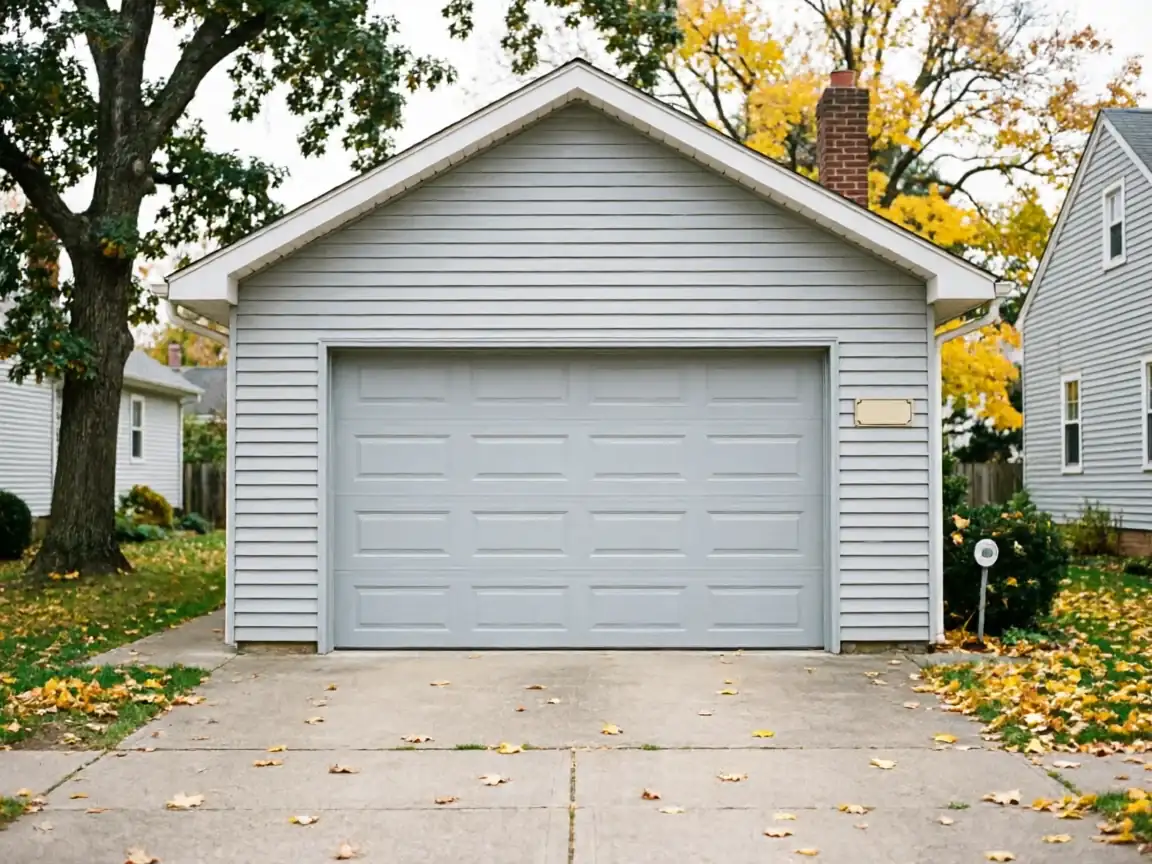
An off-track door on a Lincolnshire house is usually a shorter job than people expect, because the homes here are newer than most of the rest of the service area. Most of this town went up around 1992, which means steel sectional doors on galvanized tracks with factory nylon rollers, not the older wood or one-piece doors from the 1960s-70s stock that fills out the rest of the territory. That newer hardware is more standardized, so a tech doesn't lose time hunting down an odd bracket size or a discontinued part.
A single bent track section or a door that jumped the roller on one side, with the cable and spring intact, is usually a same-visit fix once the truck is on-site. If the bottom bracket has pulled away from the panel, or a cable snapped and let the door drop crooked, there's more to square up: the door has to come back into the track evenly on both sides before it's safe to run on the opener again. The truck travels from Deerfield, four miles south, so there's no separate branch or dispatch point adding a layer of delay for homes in this stretch.
What the Fix Involves
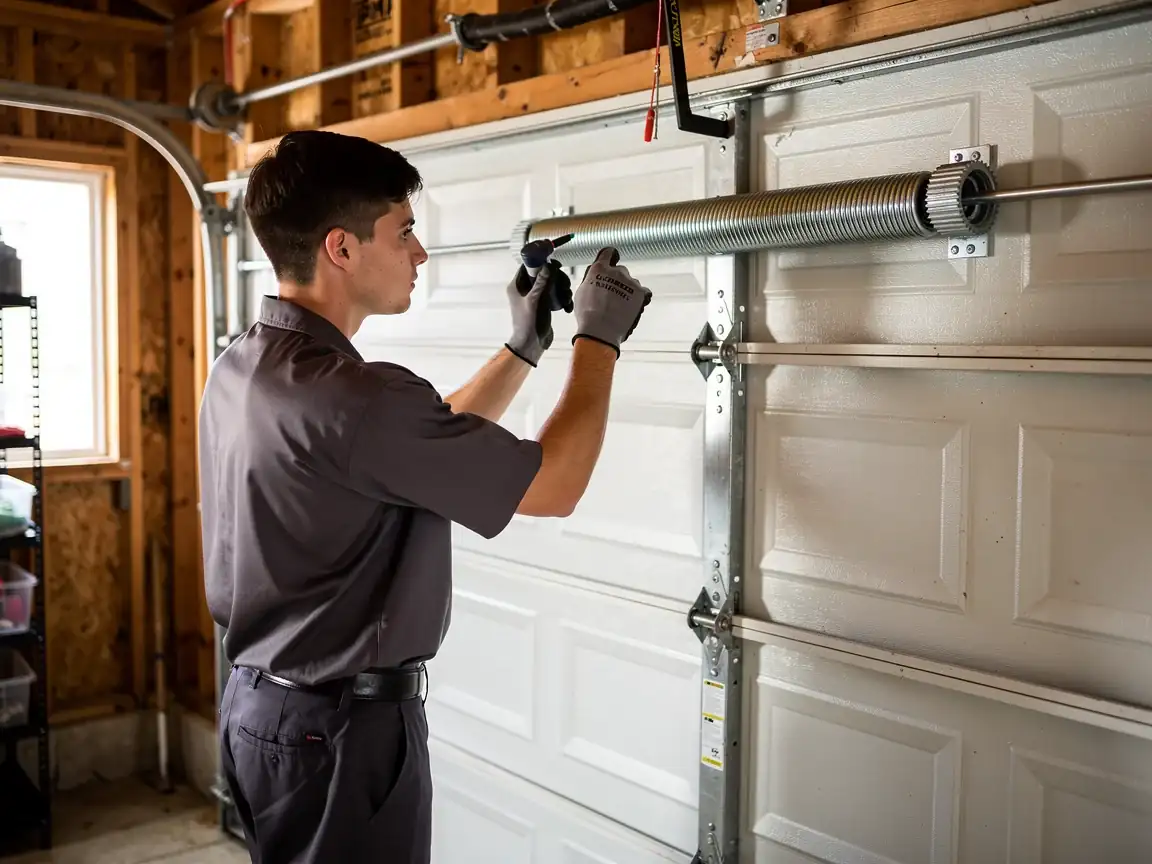
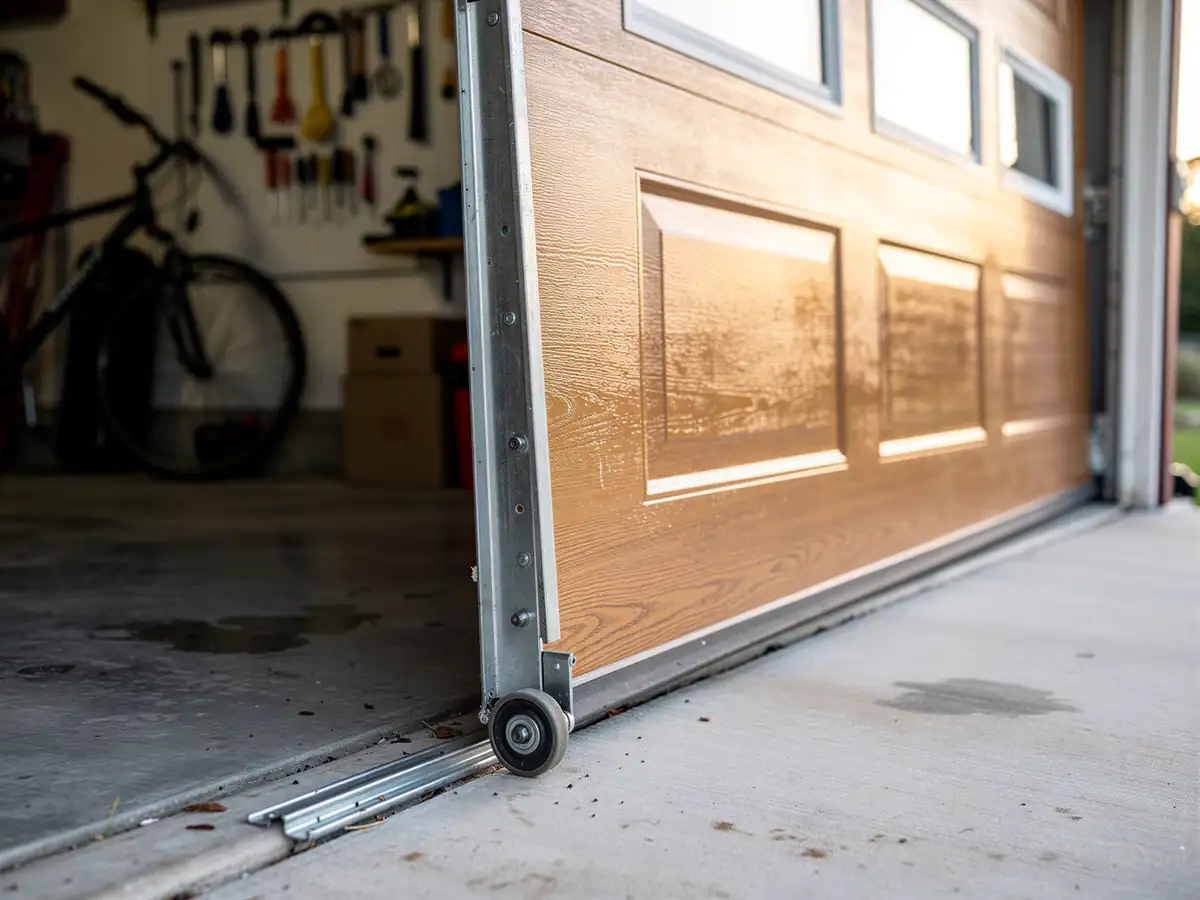
The actual repair depends on why the door left the track, and on a 1992-era door that almost always comes down to one of three things: a worn roller, a bent track, or a snapped cable pulling the bottom bracket sideways. On doors this age, the original rollers are often still in, and after roughly thirty years of use the nylon wears thin enough that it stops guiding straight and lets the door wander out of the channel.
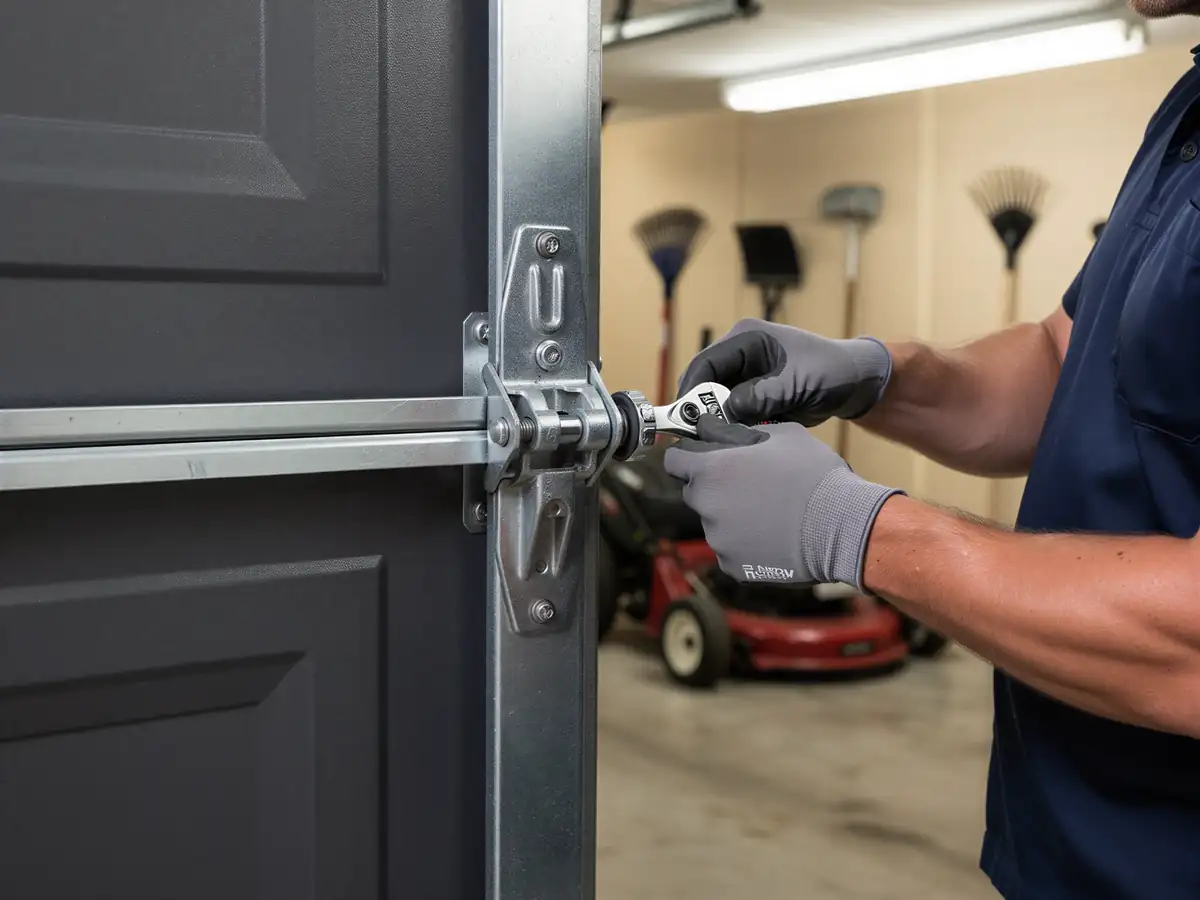
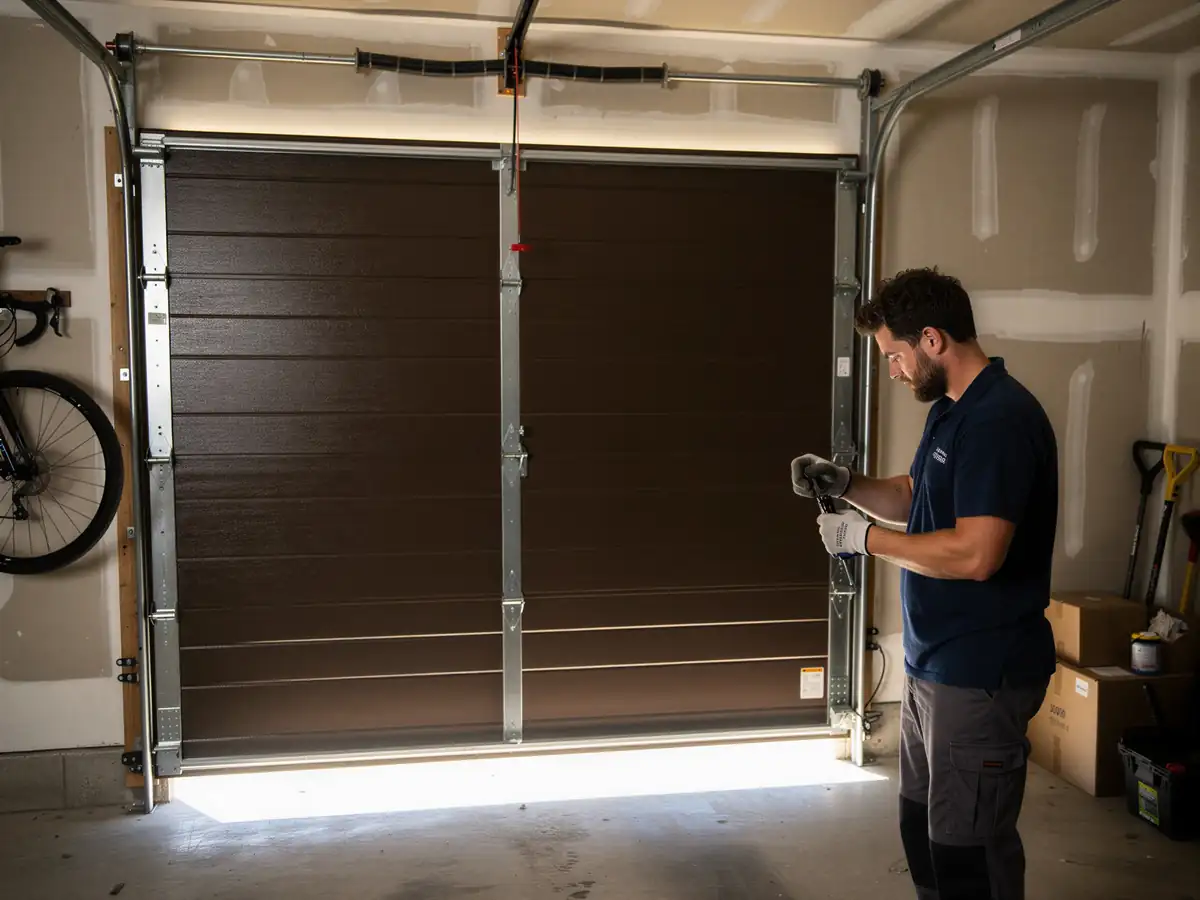
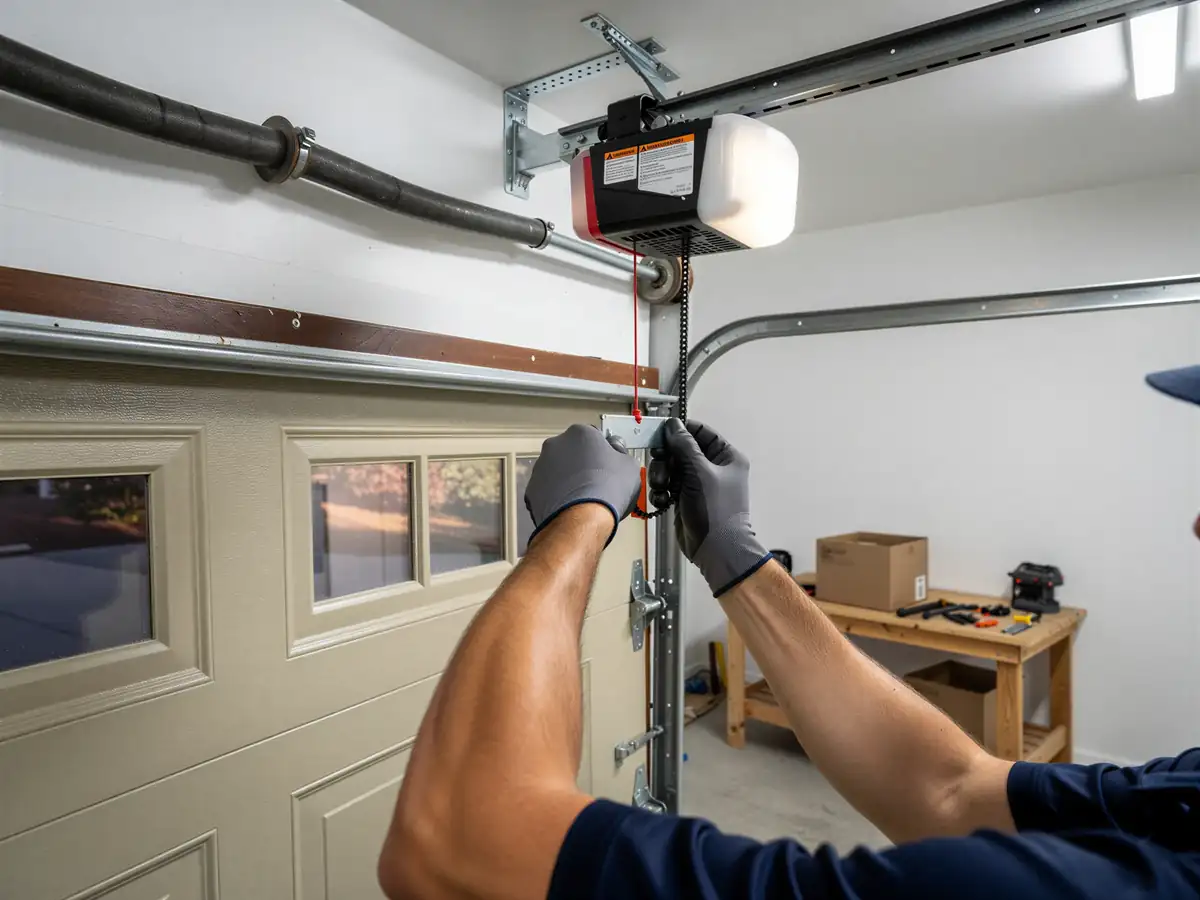
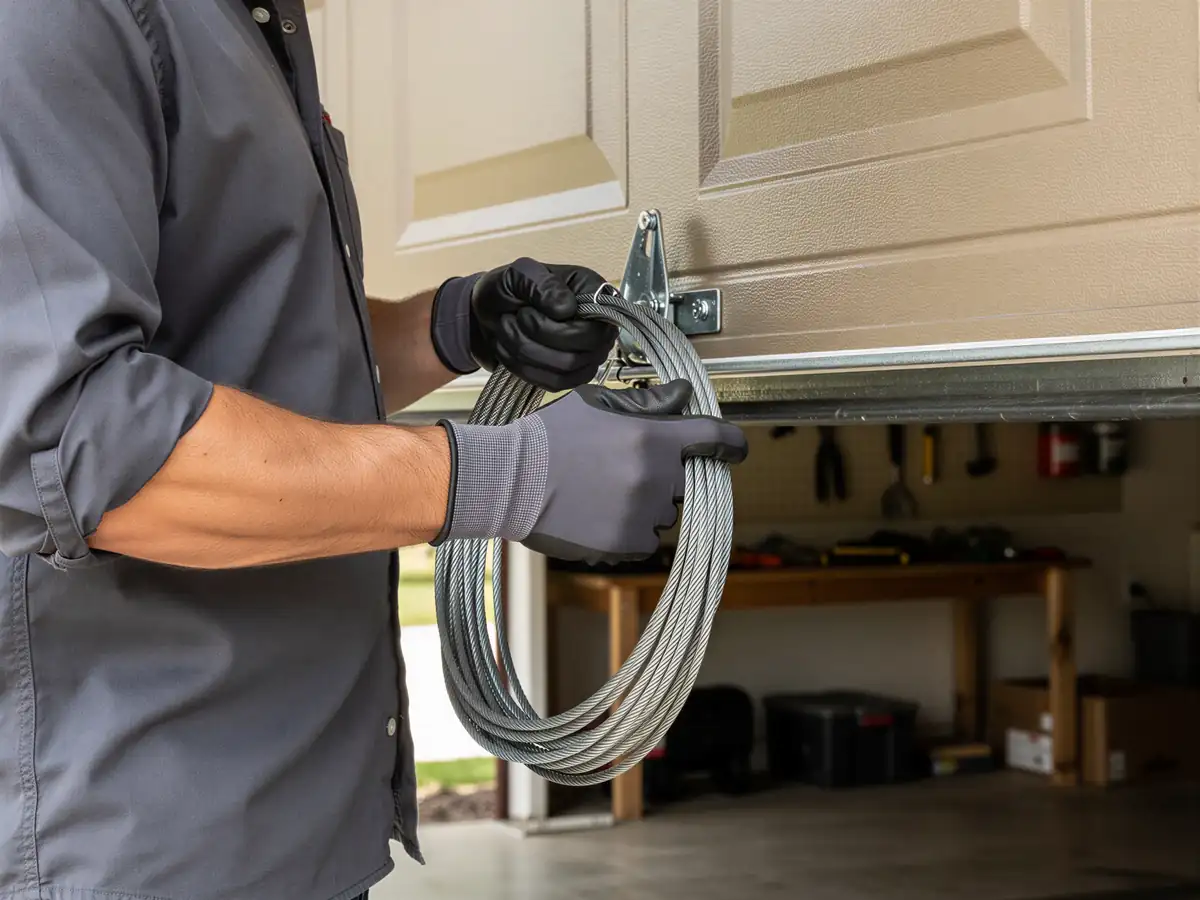
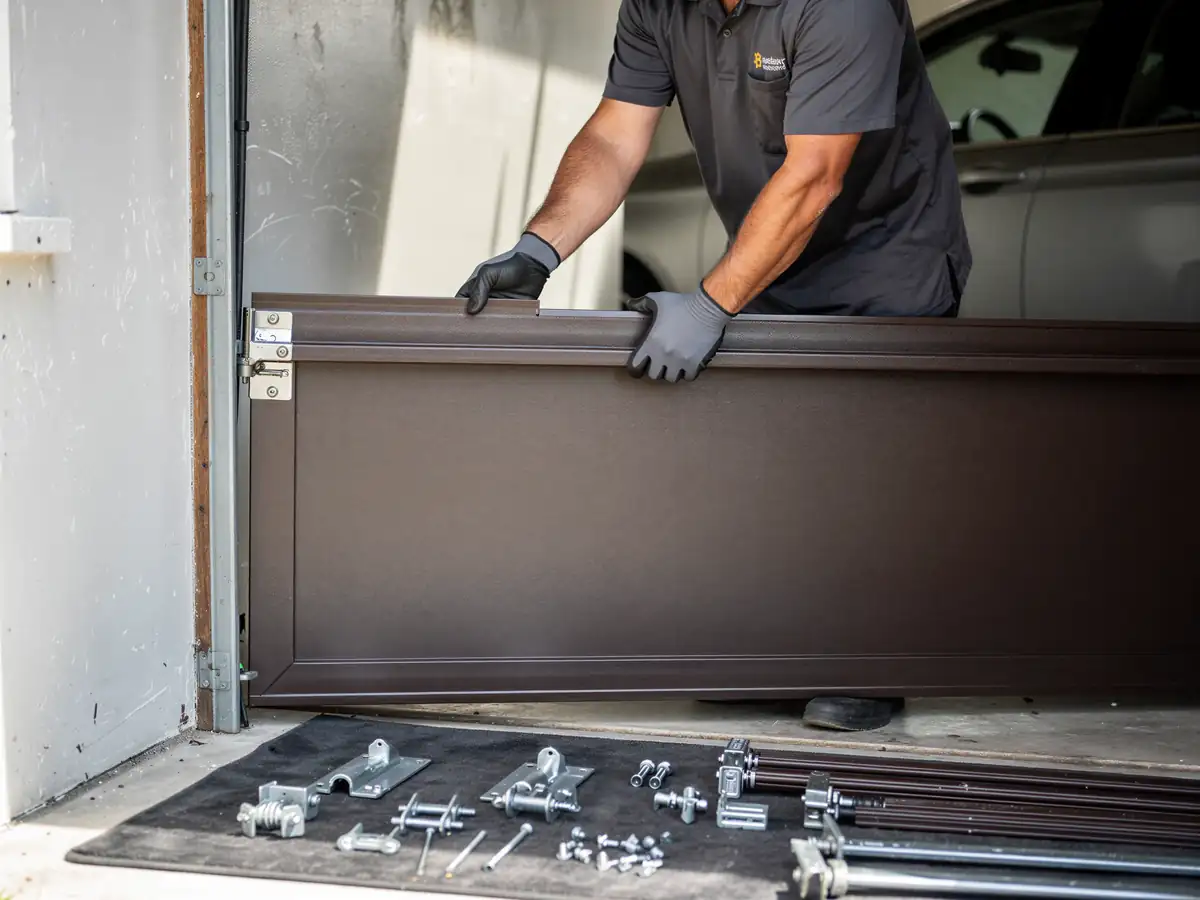
The tech backs off tension, lifts the door back into the track by hand, and checks the track itself for a bend before letting the door run again - a track that's bent even slightly will throw the door off a second time if it isn't straightened or swapped. If a cable caused the drop, that cable gets replaced, not spliced; a repaired cable on a door this size isn't a repair worth trusting. Rollers get swapped as a set on that side rather than one at a time, since the other rollers on the same run are at the same age and the same wear.
One honest limit here: if the track is torn loose from the framing, or the door panel itself is bent from the impact that knocked it off, that's a bigger job than a track repair, and it gets priced and explained as a separate issue before any work starts.
What You Are Seeing
The usual signs: the door stops partway, sits crooked with one corner lower than the other
Or the opener strains and reverses without finishing the cycle. On a 1990s steel door you'll often hear a scrape or a pop from the track right before it happens, rather than the door slipping quietly - the galvanized track on these doors telegraphs the sound more than older wood jamb setups do.
A car bumping the door while backing out
Or a basketball or stray branch hitting a panel, is the most common trigger on these newer sectional doors, since the track sits closer to the edge of the panel than it does on older designs. Worn rollers show up differently - no single impact, just a slow drift where the door rides a little further out of the channel each time it cycles, until one day it catches and stops dead. If your door is making that scrape sound but hasn't come off yet, that's the window to get it looked at before a roller actually jumps the rail.
Getting It Booked In
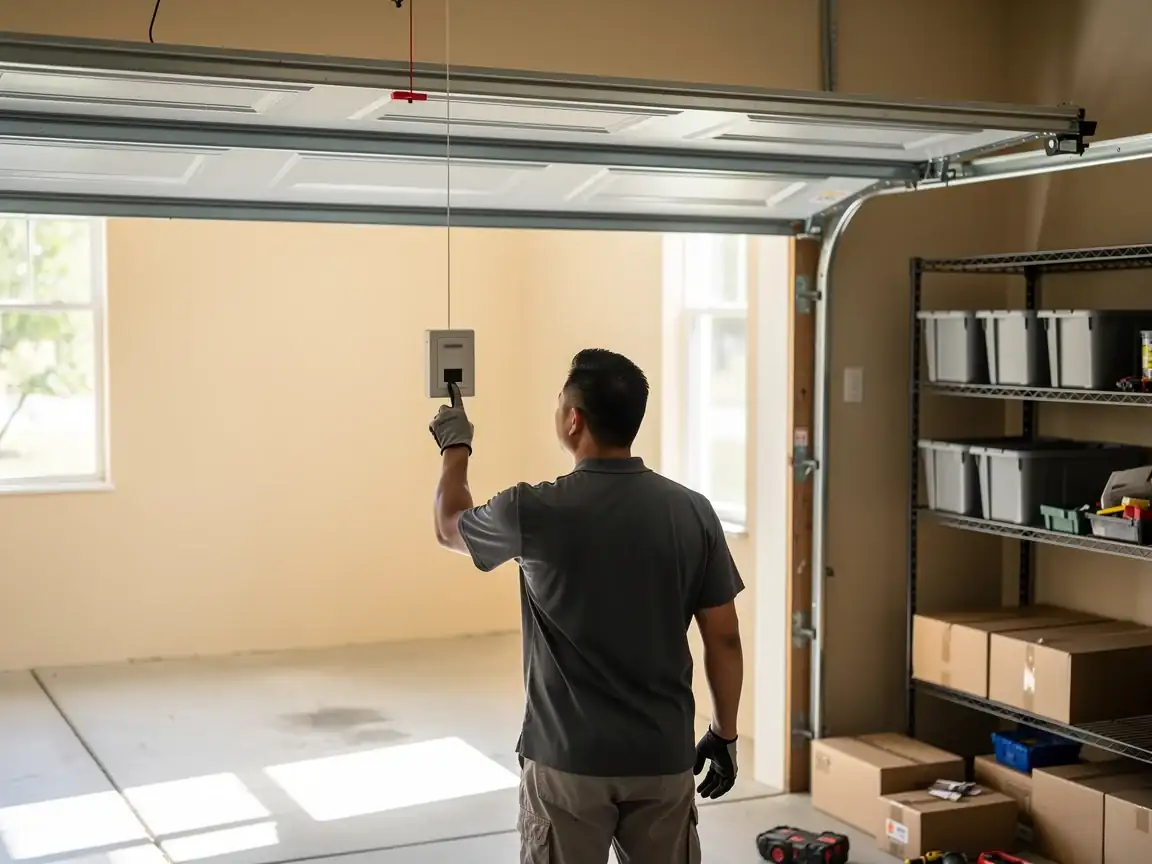
Calls for this come in both ways - a door that's stuck half-open and needs attention now, and a door that's drifting and getting worse but still closes. Either way, the first question on the phone is which side the door is leaning toward and whether the opener is still trying to run it, because that tells the tech whether to bring a straight track-and-roller kit or expect a cable replacement too.
Since this is serviced from Deerfield, four miles out, the booking isn't tied to a local branch - it's scheduled against the Deerfield route for the day. A door that's fully off the track and blocking the opening gets priority over one that's just drifting, for the obvious reason that an open garage isn't something to leave overnight. See the Lincolnshire service page for what else this crew handles in the area beyond the off-track repair itself.
What You Pay
What this costs depends mostly on whether it's rollers and a straightened track, or a full cable and bracket replacement on a door that's dropped crooked. A straight roller swap on one side is the cheaper end of the job; a snapped cable plus a bent bracket costs more because the door has to be re-squared before it's safe to run.
Homes here carry a median household income near $179,735, well above the roughly $125,104 median across the rest of the service area, and in practice that shows up as more owners choosing to replace worn original hardware outright rather than patching a thirty-year-old roller set one more time. That's a reasonable call on a door this age - patched hardware on an original 1992 track buys a little time, not years. We don't quote a number here without seeing the door; a bent track versus a snapped cable are different jobs at different costs, and guessing over the phone does nobody a favor.
Why This Fails Locally
The reason off-track calls cluster the way they do in Lincolnshire comes down to the build year
A door installed around 1992 is now old enough that its original rollers and track hardware are wearing out on their own schedule, independent of any impact - and that's a different failure pattern than the older 1960s-70s doors elsewhere in the service area, which more often fail at the spring or the panel itself before the track does.
The cold winters here add to it
Steel track brackets contract in a hard freeze, and on hardware that's three decades old, that seasonal contraction is often enough to loosen a bolt that was already marginal from wear. A door that's been drifting slightly all summer can finally jump the track on the first genuinely cold week, which is why these calls tend to bunch up as the weather turns rather than spreading evenly across the year. It isn't dramatic, it's just thirty-year-old hardware meeting its first real cold snap.